PrettyLitter vs Traditional Litter: Is It Actually Worth It?
Crystal litter vs clumping clay: odor, tracking, dust, and subscription cost — plus the clay setup we actually use while PrettyLitter stays comparison-only.
By Ash · Updated September 13, 20265 min read

PrettyLitter is interesting if you want lighter bags and color-change “health hints.” Traditional clumping clay still wins for most homes on odor control, scooping habits, and not locking you into a subscription. We at Purrstrings run clay + stainless boxes day to day — PrettyLitter stays in the comparison column until Ash confirms firsthand use.
Crystal litter marketing is excellent at making clay look like a dusty relic. Then you open the box, pour the crystals, and discover you have traded one set of tradeoffs for another. This guide is for people who keep seeing PrettyLitter ads and want a straight answer — not a vibe.
Who this is for
- Anyone comparing crystal subscriptions to grocery-aisle clay before another impulse checkout
- Multi-cat households where odor and tracking already feel like a second job
- People who care about dust, weight of bags up the stairs, and whether “less scooping” is real or just softer copy
- Anyone who wants health-color marketing explained without pretending crystals replace a vet
Crystal vs clay, without the morality play
Traditional clumping clay (sodium bentonite and friends) absorbs urine into scoopable clumps. You remove solids and clumps regularly, top off, and dump the box on a schedule. It is unsexy. It is also predictable: you can see what you are scooping, and most cats already know the texture.
Silica crystal litters like PrettyLitter work differently. Crystals absorb liquid and trap odor differently than clay clumps. Marketing leans hard on “change less often” and color shifts that allegedly flag health issues. Useful framing: color change is a conversation starter with your vet, not a diagnosis. If your cat’s litter turns weird colors and they seem off, call the clinic — do not wait for the next bag to arrive.
What actually matters in the litter aisle
Odor
Odor control is where crystal vs clay debates get loud and personal. Clay with a real odor formula, scooped daily, still holds its own in a normal apartment. Crystals can smell fine when the box is maintained — and smell terrible when it is not. Whichever type you choose, the box material and scooping rhythm matter as much as the brand on the bag.
Tracking and dust
Light crystal granules can hitchhike on paws. Clay dust can hitchhike into lungs and baseboards. Neither category is automatically “clean.” A decent litter mat and a box that does not fling litter like a snow machine do more for your floors than switching brands every month.
Subscription cost framing
PrettyLitter sells convenience and lighter shipping as part of the pitch. Clay is usually cheaper per month if you buy big bags and scoop like an adult. Exact dollars depend on cat count, how deep you fill the box, and whether you actually change crystal litter on the schedule the brand prefers. We are not inventing “our lab saved $X” math here — run your own grocery-plus-subscription comparison for your household size.
Switching litter without starting a boycott
Cats notice texture. If you jump overnight from clay to crystals (or the reverse), some cats will vote with their paws — usually on your bath mat. Transition by mixing over several days, keep the box in the same location, and maintain a backup box with the old litter if you have the square footage. A litter change that coincides with a move, a new pet, or a dirty box is how “my cat hates PrettyLitter” stories get born when the real villain was chaos.
Depth matters too. Crystal systems often want a specific fill level so liquid spreads and evaporates the way the product expects. Clay wants enough depth for clumps to form without cementing to a bare plastic floor. Read the bag, then adjust to what your cats actually dig.
What we actually use on the clay side
While PrettyLitter stays in the “interesting, not personally verified here” column, these are the litter-system pieces we buy and recommend from real use — clay that clumps, boxes that clean without absorbing last month’s sins, and a mat that keeps the hallway from looking like a beach.
Our clay-side setup
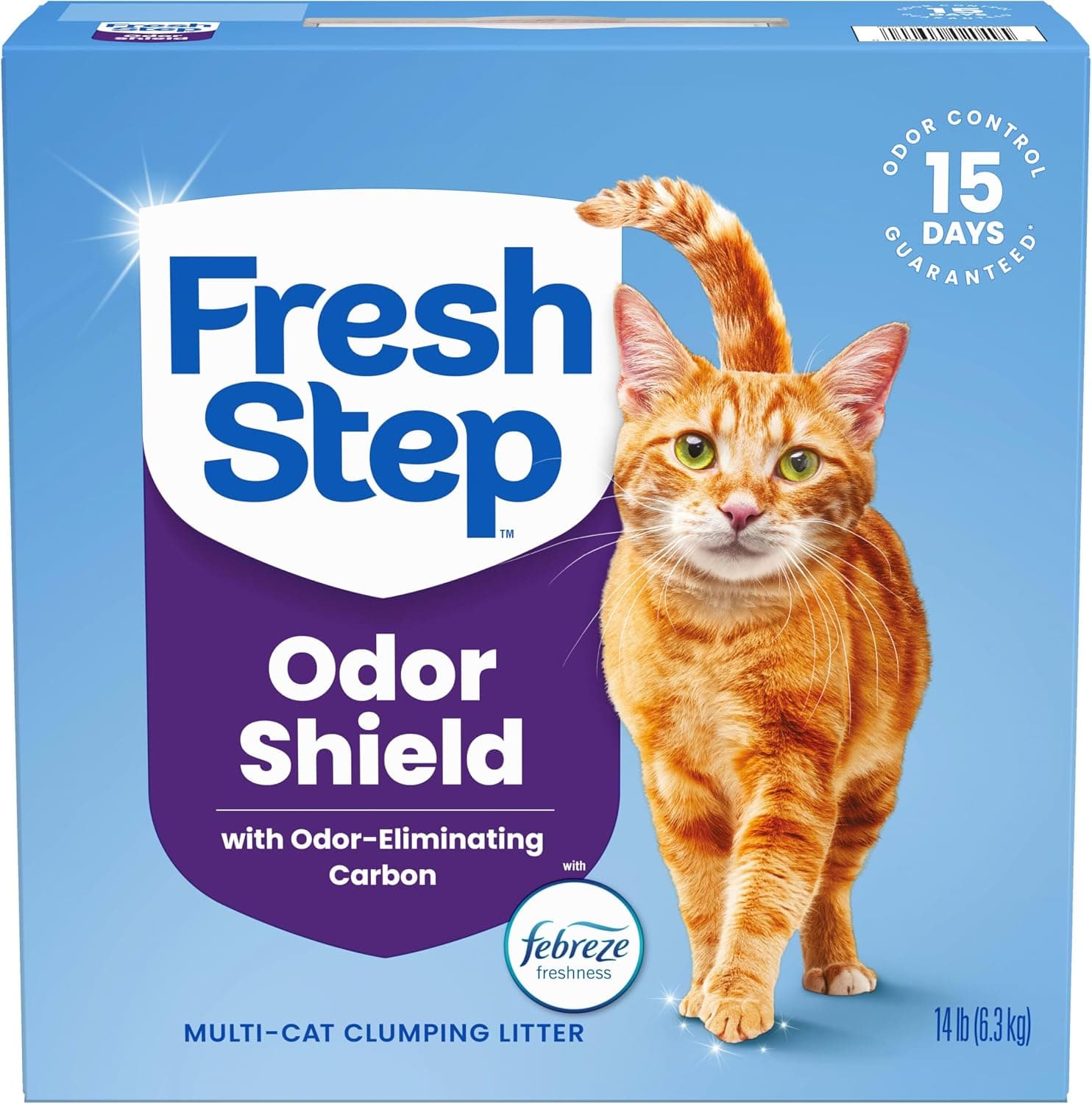
Fresh Step Odor Shield
Grocery-aisle multi-cat clumping clay I actually use — for clumping, scooping, and odor control, not boutique mythology.
Why we like it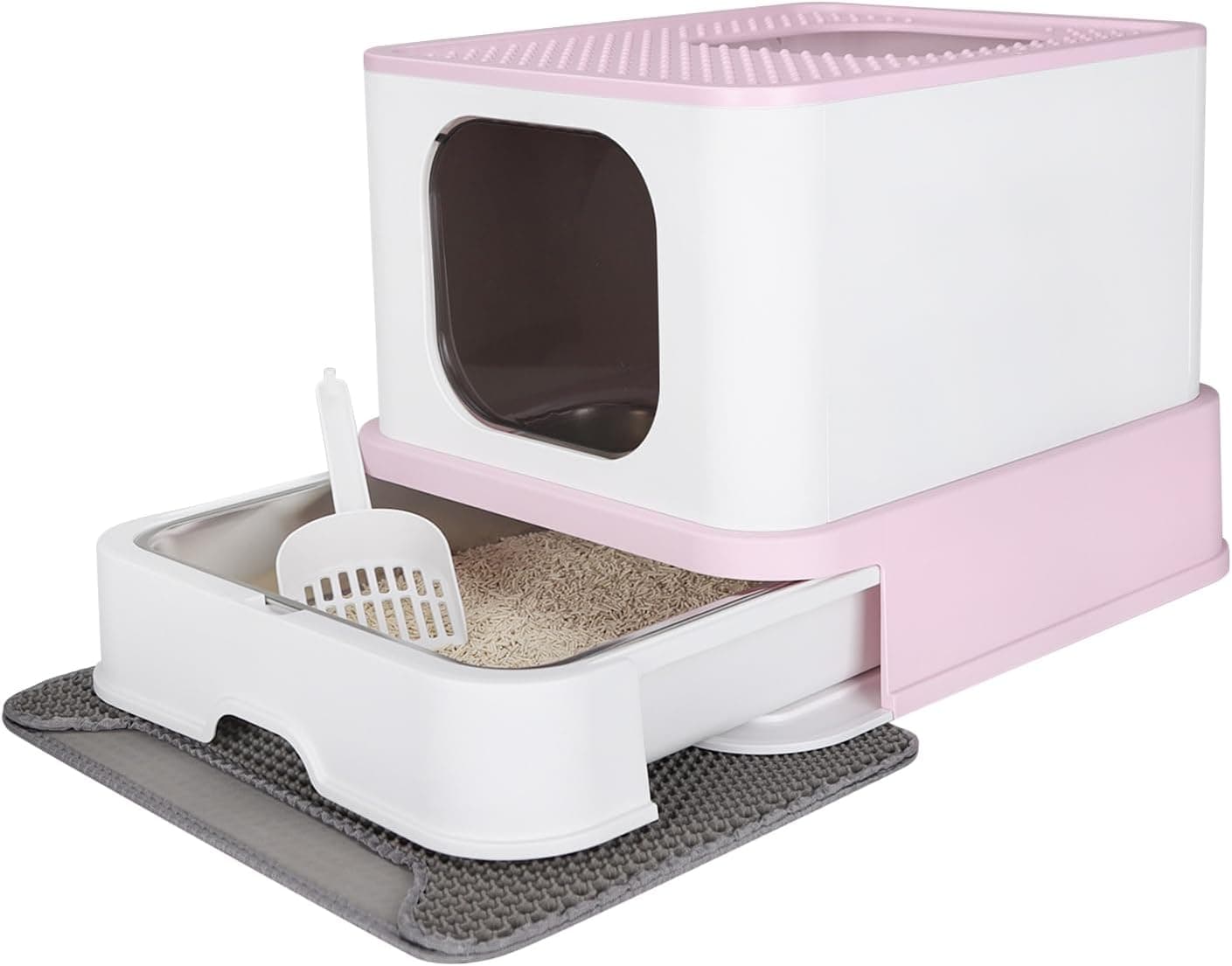
Stainless Steel Litter Box
Covered, high-sided stainless I actually use — easy to wipe down, useful for containment, and paired with an open stainless when a cat wants zero cave vibes.
Why we like it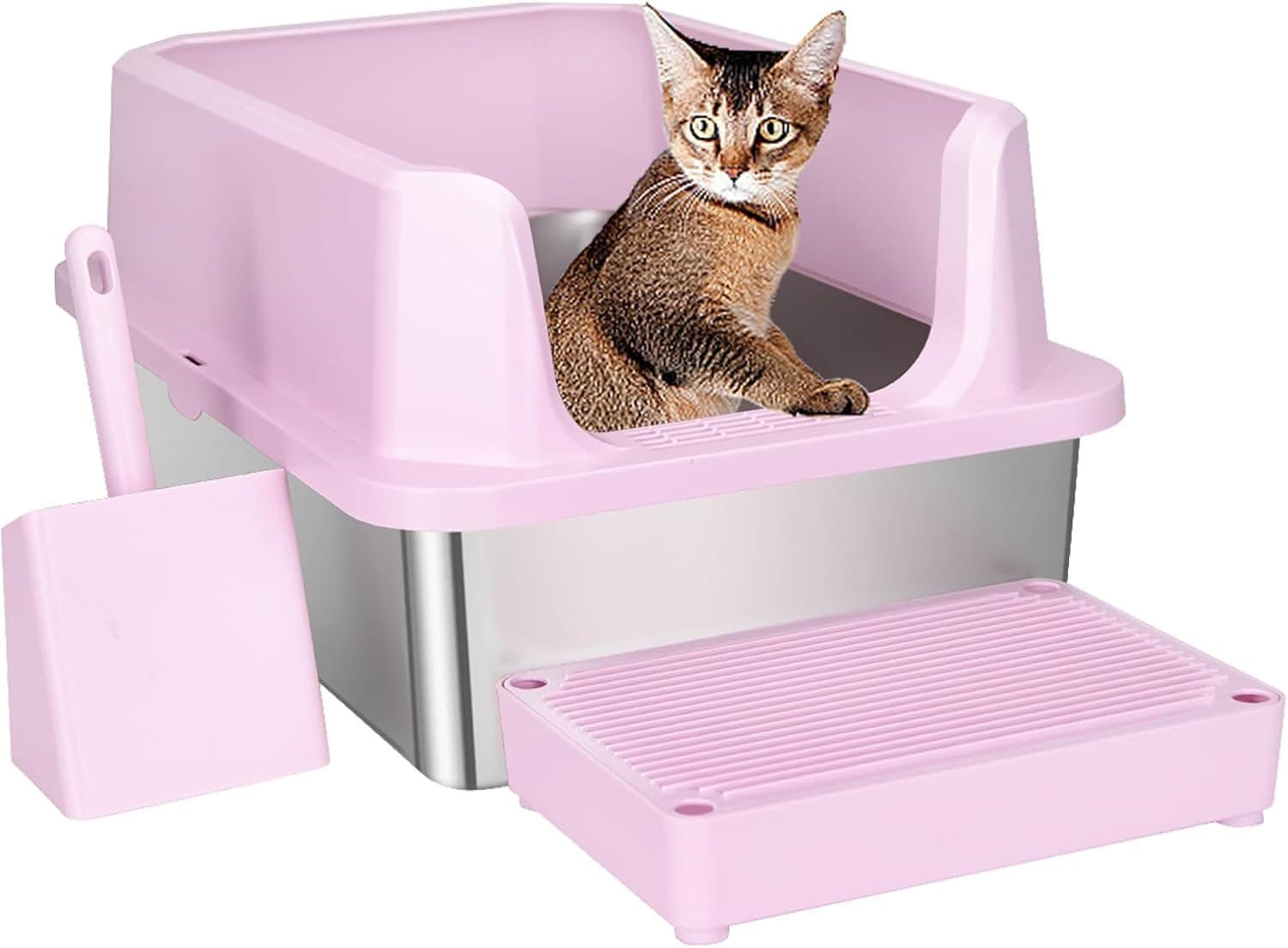
Open Stainless Litter Box
High walls, raised step, 20L capacity, scoop included. Open-top stainless for cats who refuse to enter a cave.
Why we like it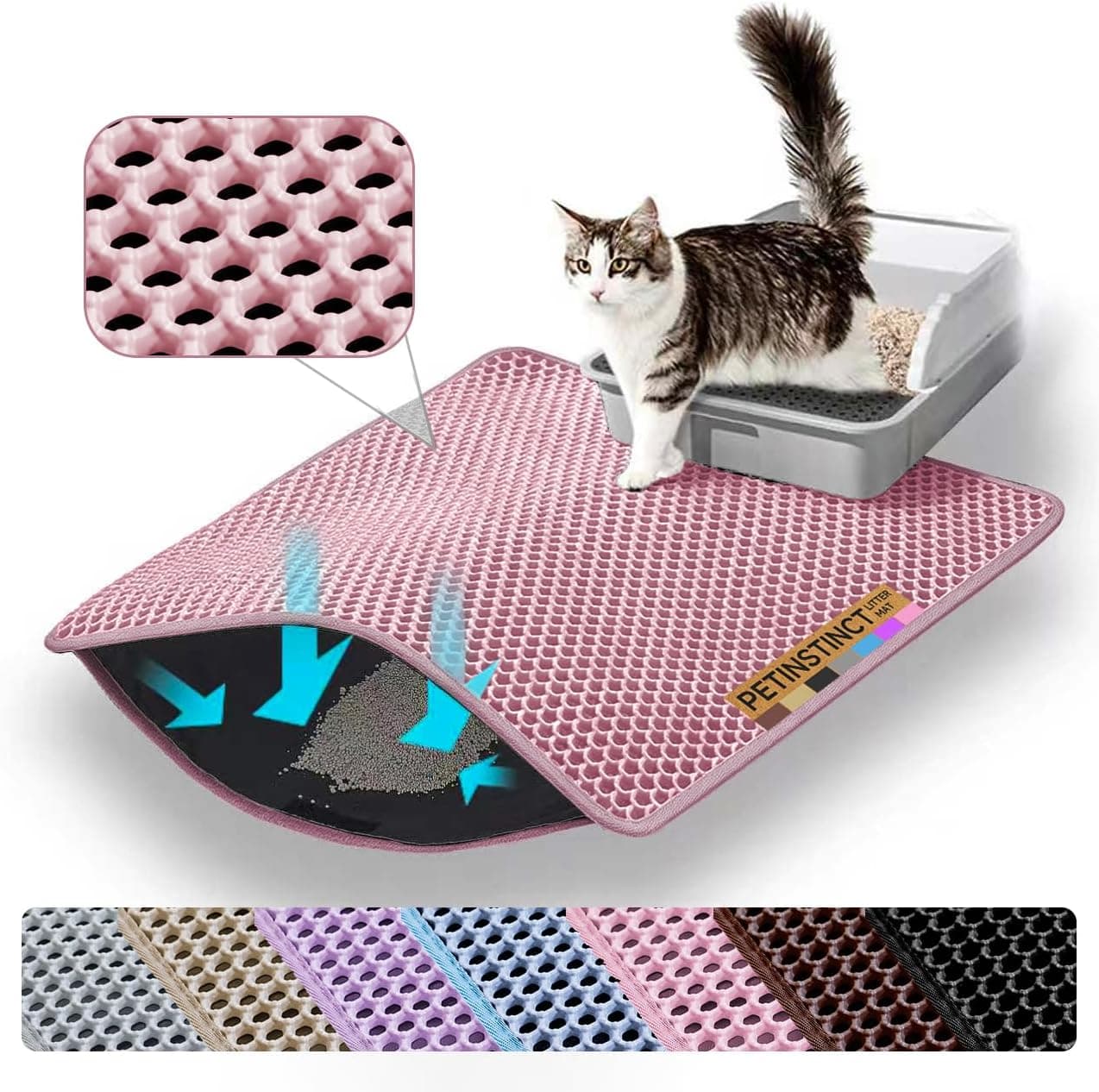
Petinstinct Litter Mat
Double-layer honeycomb mat (24×18″, pink) that catches litter before it colonizes the hallway — shake it out, rinse it, keep the floors from looking like a crime scene.
Why we like itFresh Step Odor Shield is the grocery-aisle workhorse we keep on rotation — multi-cat clumping without pretending to be boutique. Stainless boxes (covered or open, depending on whether your cat will enter a cave) stop plastic from becoming a permanent smell sponge. The Petinstinct honeycomb mat is the boring upgrade that pays for itself the first week you stop vacuuming litter out of the rug fringe.
Drawbacks worth saying out loud
- Crystal litters can be less forgiving if you stretch change intervals past what the box can handle
- Color-change marketing can create false calm or false panic if you treat it like medical equipment
- Clay is heavy, dusty for some people, and still requires daily scooping if you want the house to smell like a house
- Any litter fails if the box is too small, too dirty, or stuck in a corner the cat already boycotts
Bottom line
PrettyLitter vs traditional litter is not a purity contest. It is a match between lifestyle, budget, and how honest you are about maintenance. If you want a subscription crystal system, go in knowing what it does and does not replace. If you want the setup we actually run, start with solid clay, a stainless box, and a mat — then revisit crystals when we have firsthand notes worth publishing.
FAQ
- Is PrettyLitter better than regular clay litter?
- “Better” depends on what you optimize for. Crystals can mean lighter bags and different maintenance; clay usually wins on familiar scooping, wide availability, and skipping a subscription. Odor and tracking still depend on how often you service the box.
- Do crystal litters mean you never scoop?
- No. Solids still need removing, and the box still needs full changes on a schedule. “Less scooping” marketing is not the same as zero maintenance.
- Can color-changing litter replace a vet visit?
- No. Color shifts are at best a nudge to pay attention. Changes in appetite, peeing habits, energy, or litter color that worry you are reasons to call your vet — not reasons to wait for the next shipment.
- What do you use instead of PrettyLitter?
- We run clumping clay (Fresh Step Odor Shield on our list), stainless litter boxes, and a honeycomb litter mat. PrettyLitter stays in the comparison column until we have firsthand notes to publish.
As an Amazon Associate I earn from qualifying purchases. Other links on Purrstrings may also earn a commission. It doesn’t cost you anything extra, and it never changes what we recommend. Read the full disclosure.
Related products
Stainless Steel Litter Box
Covered, high-sided stainless I actually use — easy to wipe down, useful for containment, and paired with an open stainless when a cat wants zero cave vibes.
Why we like itOpen Stainless Litter Box
High walls, raised step, 20L capacity, scoop included. Open-top stainless for cats who refuse to enter a cave.
Why we like itFresh Step Odor Shield
Grocery-aisle multi-cat clumping clay I actually use — for clumping, scooping, and odor control, not boutique mythology.
Why we like itPetinstinct Litter Mat
Double-layer honeycomb mat (24×18″, pink) that catches litter before it colonizes the hallway — shake it out, rinse it, keep the floors from looking like a crime scene.
Why we like itMore from the desk

The Best Automatic Litter Boxes for People Who Hate Scooping
What self-cleaning litter boxes actually do, who should skip them, and the automatic box plus furniture setup we recommend from real use.

Cat Trees That Don’t Look Like Carpeted Nightmares
How to choose livable cat furniture — vertical space, real scratch zones, and the trees and scratchers we actually use at home.

Should Your Cat Wear a GPS Tracker?
When a cat GPS tracker helps, when it is optional jewelry, and how collar fit, battery life, and subscriptions fit a real recovery plan.