
Wet Food vs Dry Food: What Matters Most?
Moisture, budget, and picky eaters — plus the wet and dry foods we actually buy, without the internet’s food-bowl morality play.
By Ash · Updated September 13, 20263 min read

Wet food brings moisture; dry food brings convenience and calories per dollar. Most healthy cats can do either or both. What matters is a complete-and-balanced diet they will actually eat, water somewhere in the day, and not turning dinner into an internet purity contest.
The wet vs dry fight online is louder than most kitchens need. This is a practical breakdown from we at Purrstrings — including foods I actually buy — plus general nutrition framing that is not a vet diagnosis and not a fake lab panel.
Who this is for
- People stuck between “all wet forever” advice and a grocery budget that has opinions
- Households with picky eaters who treat new cans like a personal insult
- Multi-cat homes juggling different preferences from the same pantry
- Anyone who wants mix-feeding explained without shame
Moisture, calories, and the boring truths
Cats often drink less than dogs; wet food is an easy way to add water to the meal. Dry food is shelf-stable, easy to free-feed if that is your setup, and usually cheaper per calorie. Neither format automatically equals “premium” — read the label for complete-and-balanced language for your cat’s life stage, then watch body condition and litter-box output like a slightly neurotic roommate.
Urinary and kidney concerns are where moisture conversations get serious. That is vet territory. Food marketed for urinary tract health can be part of a plan your clinic recommends; it is not a DIY substitute for medical care.
Budget and picky eaters
All-wet diets add up fast in multi-cat homes. All-dry can work if your cats drink and maintain a healthy weight — many do. Mix feeding (wet for moisture and enthusiasm, dry for convenience) is a normal, sane compromise. For picky cats, rotate proteins slowly, serve wet food warm-ish rather than fridge-cold, and do not turn every meal into a five-entrée tasting menu unless you enjoy hostage negotiations.
Labels without the panic
“Grain-free,” “high protein,” and “urinary support” are marketing phrases that sometimes map to real formula differences and sometimes map to shelf theater. Start with AAFCO complete-and-balanced language for the right life stage, then filter for ingredients your household tolerates. If a cat has a diagnosed condition, follow the clinic — internet comment sections are not a pharmacy.
Treats count. Lickable tubes and squeeze-ups are excellent for medication disguises and bribery; they are also calories. Keep the main meals doing the nutrition work and treat the treats like treats.
What I actually buy
Clear distinction: the products below are foods and accessories I use. The nutrition points above are general information. Your cat is not a press release.
Pantry picks from real use
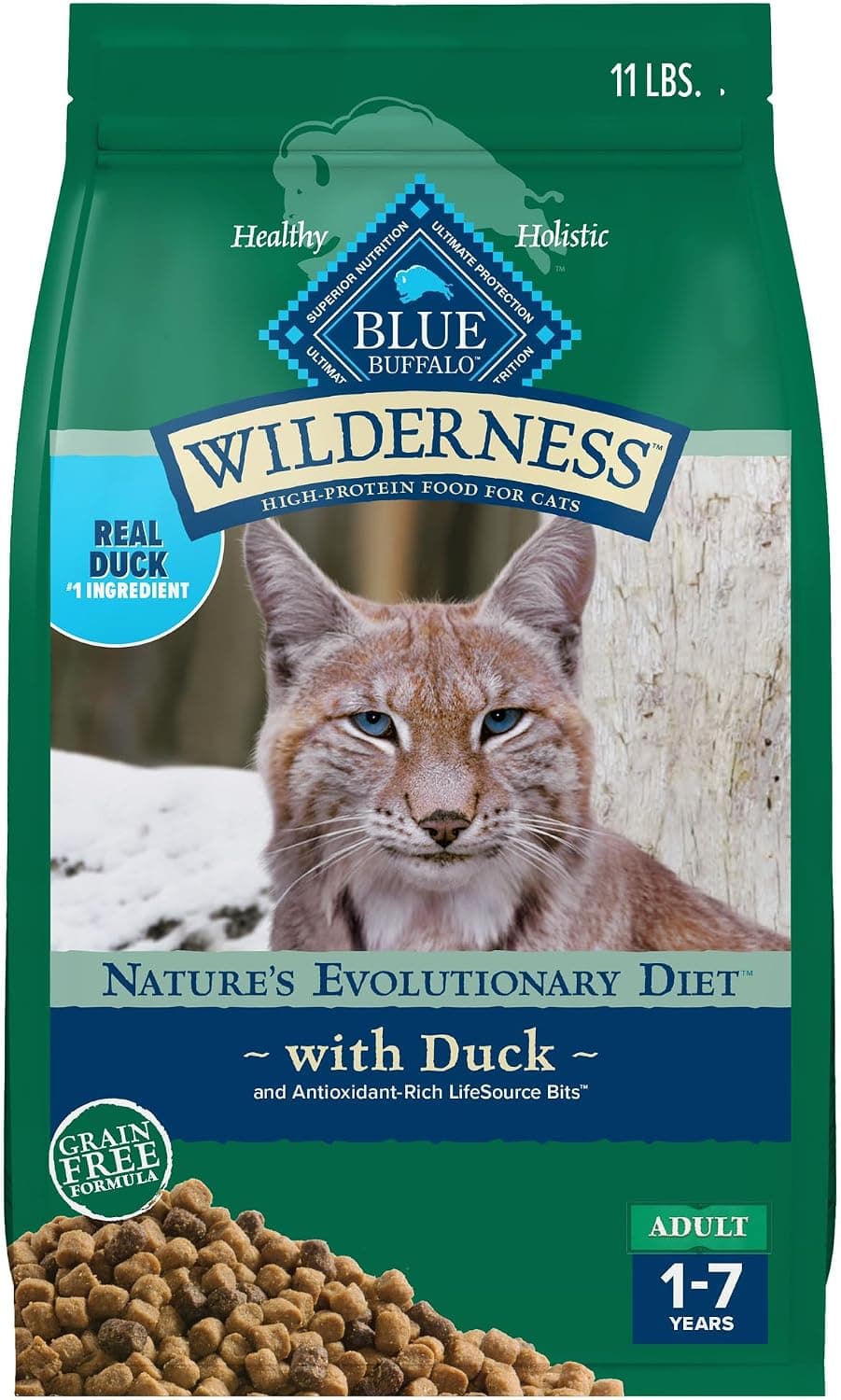
Blue Wilderness Duck
Grain-free adult dry food with real duck first — high protein, LifeSource Bits, and the kind of bag that disappears faster than your grocery budget planned.
Why we like it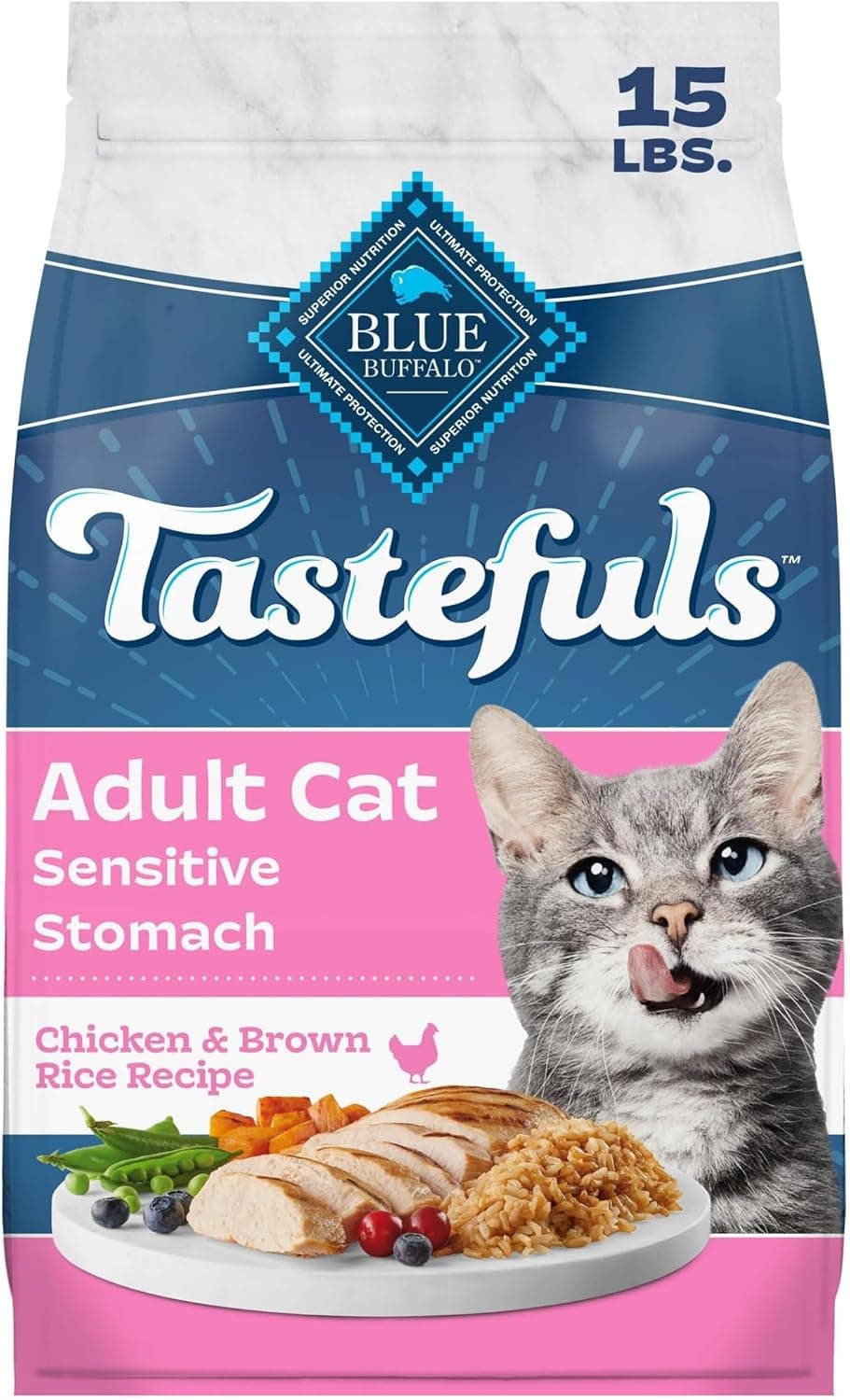
Blue Tastefuls Sensitive Stomach
15 lb chicken adult formula for the delicate gut — easy-to-digest dry food when the house needs fewer digestive plot twists.
Why we like it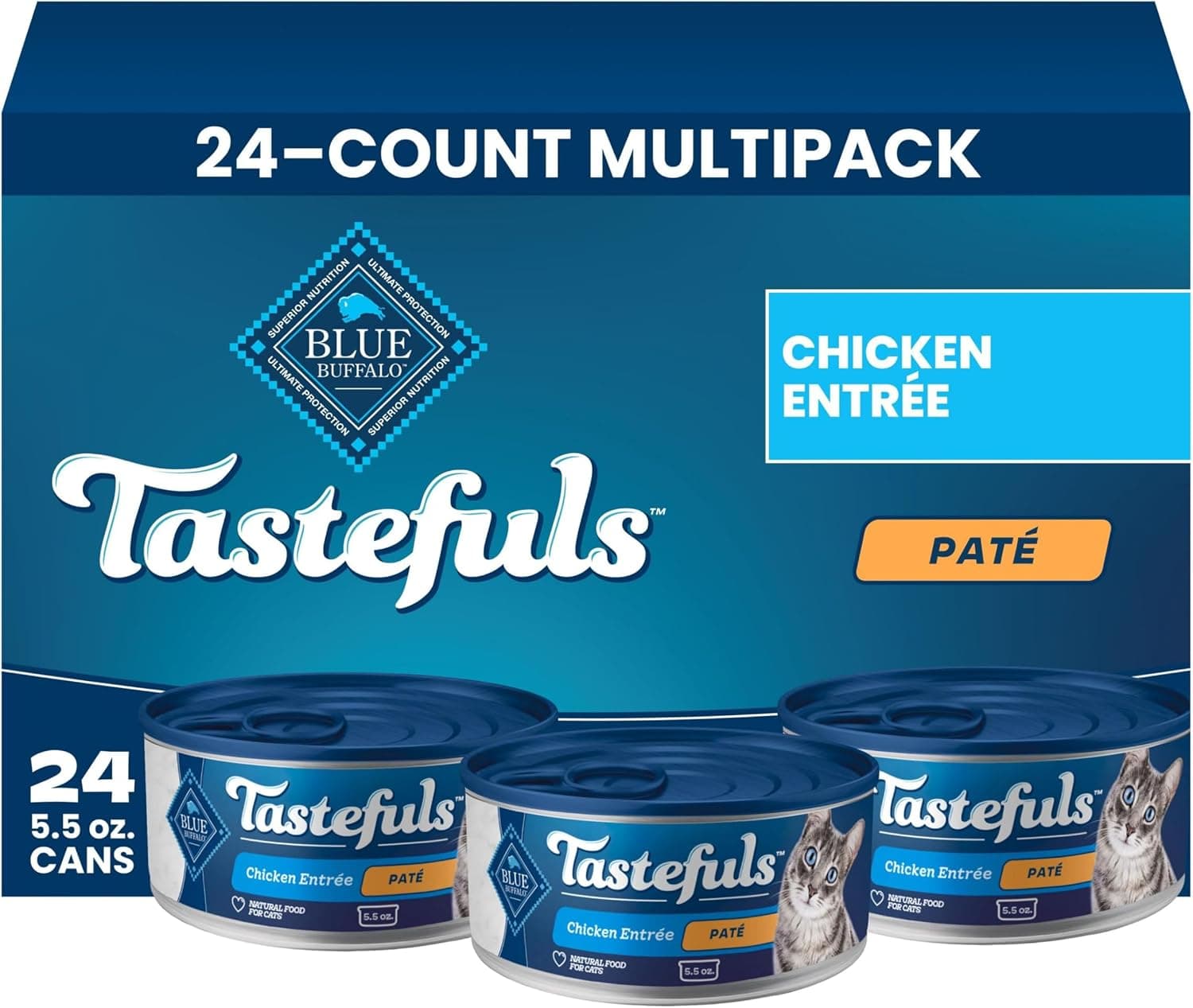
Blue Tastefuls Chicken Pâté
24-pack of 5.5 oz chicken pâté — natural wet food that keeps dinner interesting when dry kibble alone is a labor dispute.
Why we like it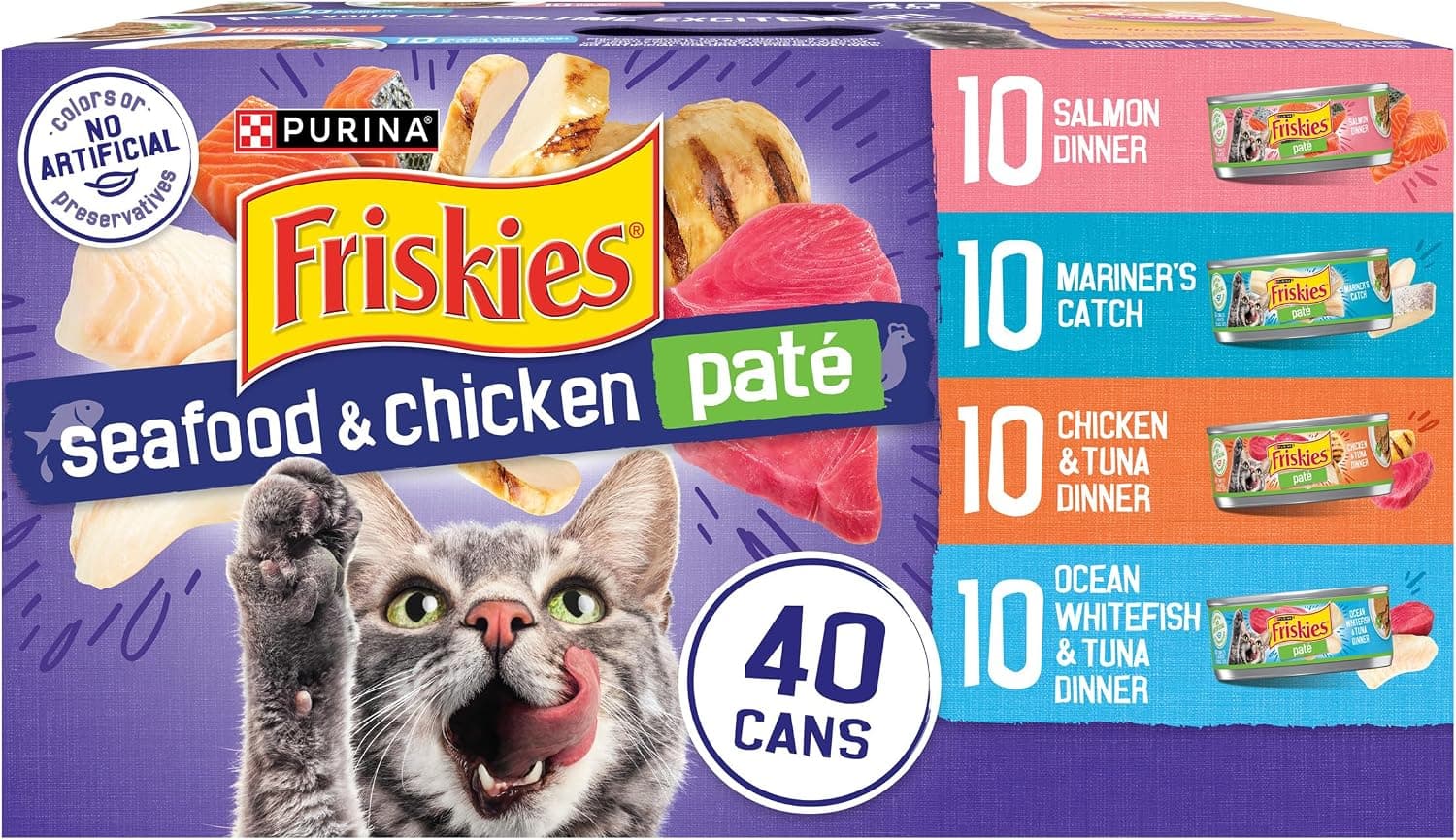
Friskies Pâté Variety Pack
40 cans of seafood & chicken pâté — the classic grocery wet food that still shows up when the fancy cans run out mid-week.
Why we like it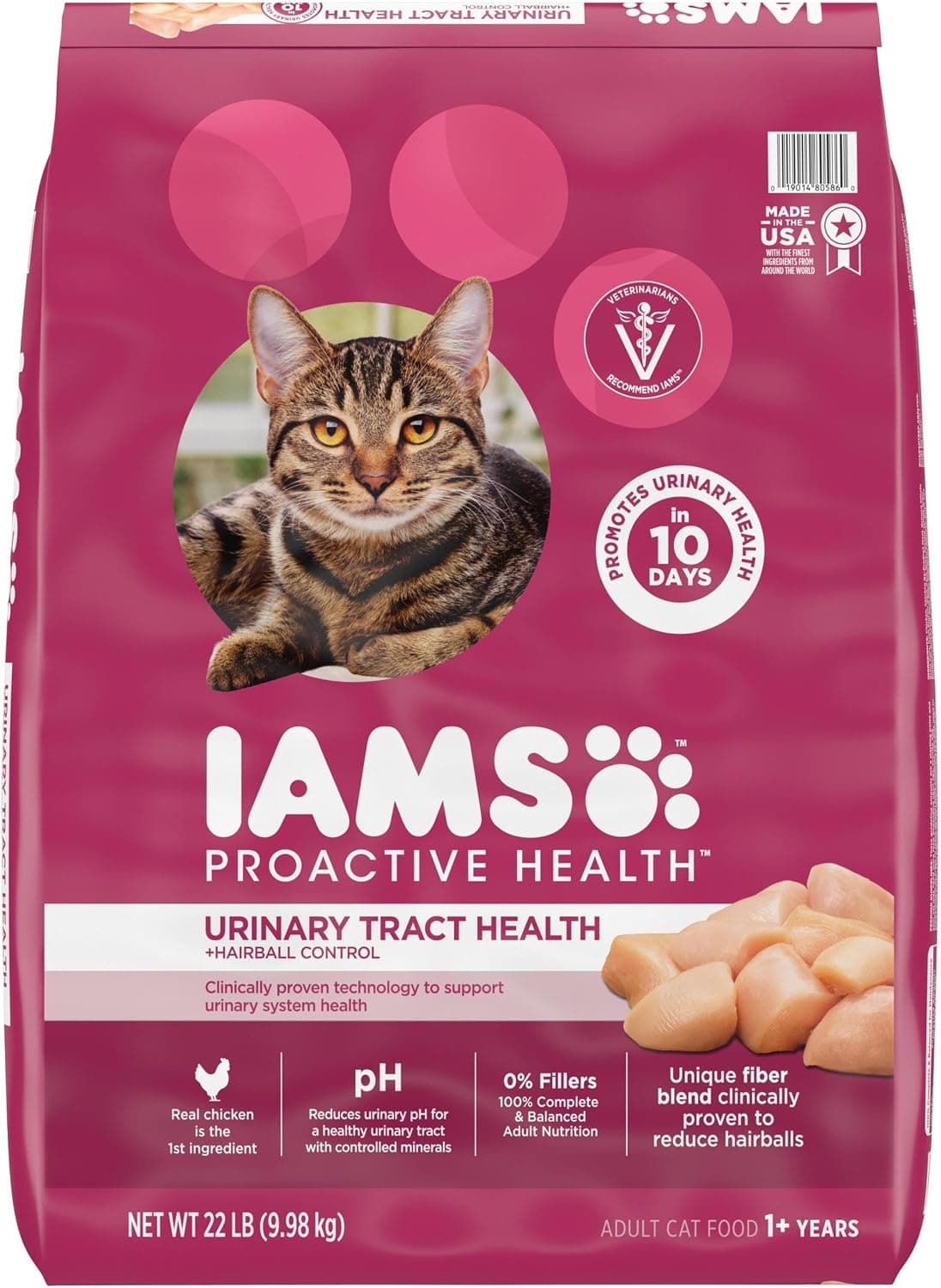
IAMS Urinary Tract Health
22 lb chicken dry food with a urinary-tract formula — a big-bag staple I buy for the multi-cat pantry when that style of food fits the household.
Why we like it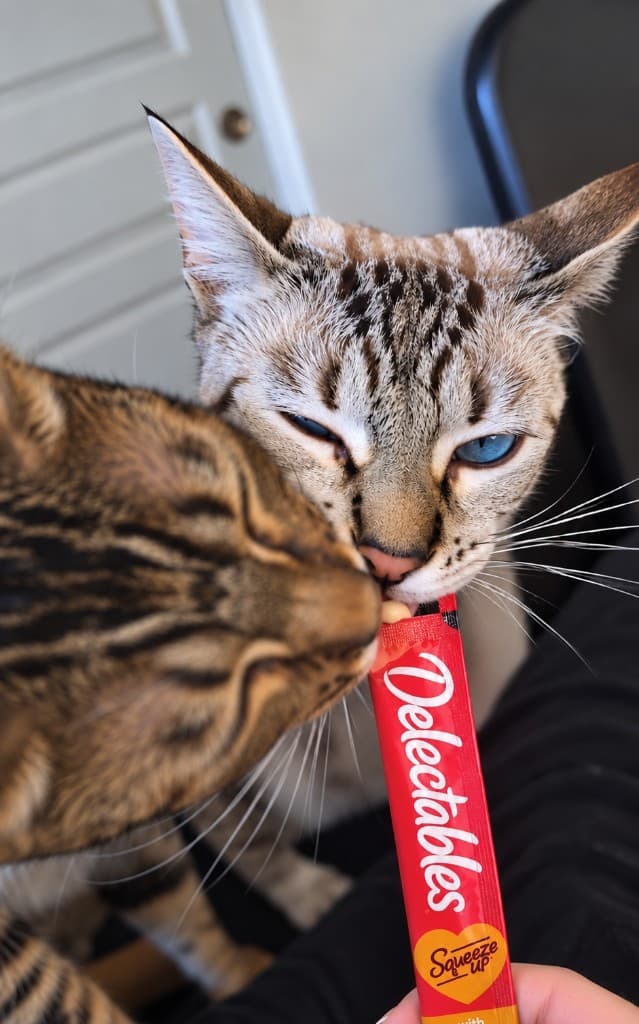
Delectables Squeeze Up
Cat bribery in a tube. My cats actually want these — we have the photo of two sharing one — and I keep buying them because a treat that works beats a complicated treat thesis.
Why we like it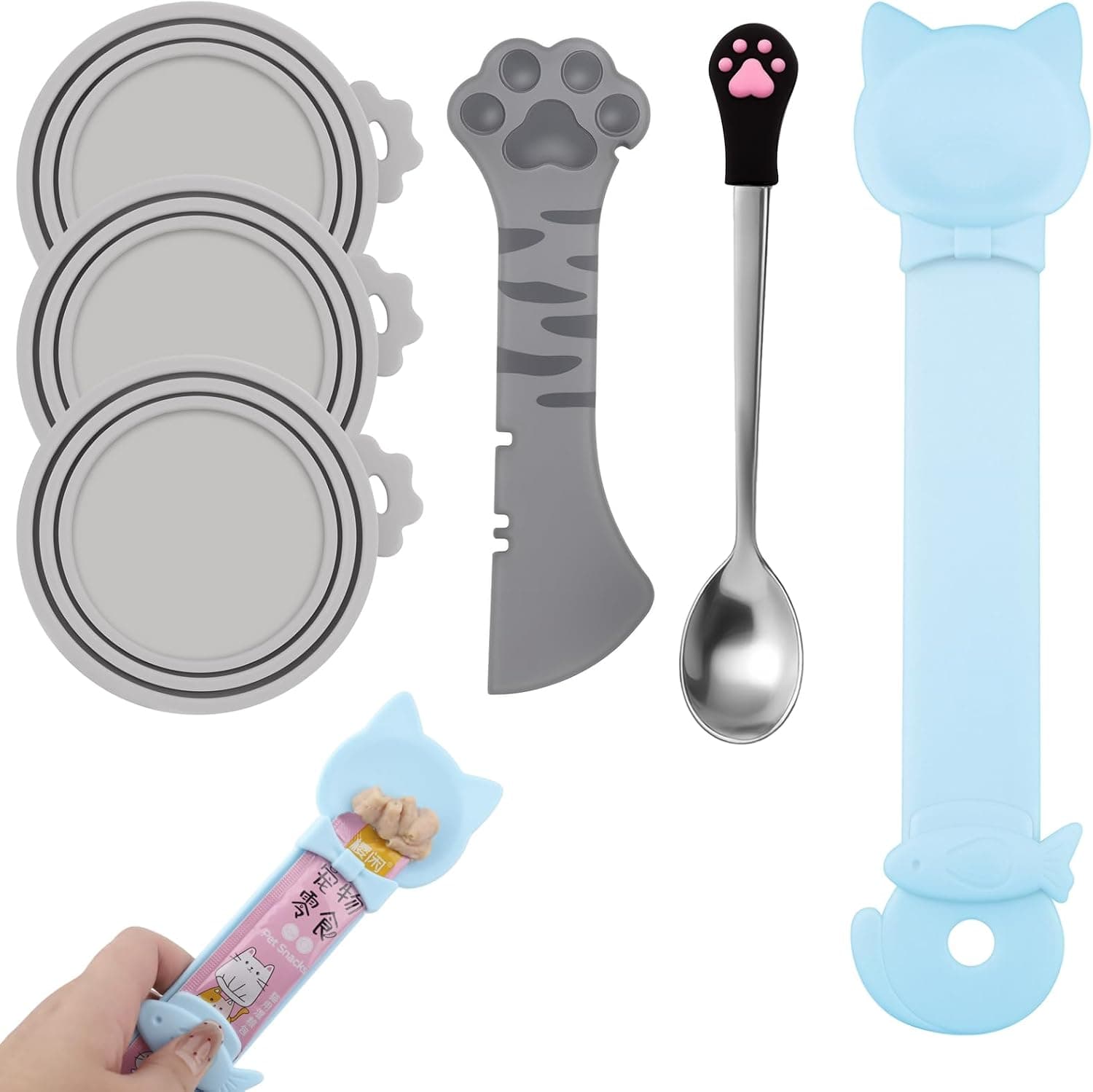
Cat Food Can Covers Set
Six-piece wet-food kit: silicone lids, can opener, steel spoon, and treat squeezer — so half-eaten cans stop living open in the fridge like a science project.
Why we like itBlue Wilderness Duck covers the high-protein dry lane. Tastefuls Sensitive Stomach is the quieter dry bag when digestive drama needs fewer plot twists. Chicken pâté and Friskies variety packs handle wet rotation — one a bit more “natural aisle,” one the classic grocery workhorse. IAMS Urinary Tract is the big-bag dry option when that formula fits the household plan. Delectables Squeeze Ups are the treat that stops traffic. Can covers keep half-eaten wet food from becoming fridge folklore.
Drawbacks of each lane
- Wet: cost, fridge space, stink if left out, more dishes
- Dry: less moisture per bite, easier to overfeed if the bowl is always full
- Mix feeding: measuring gets fuzzy if you guess portions forever
- Any sudden food swap: stomach protests — transition gradually
Bottom line
Wet vs dry is less a duel and more a toolkit. Prioritize hydration somehow, feed a complete diet your cats accept, and use the pantry picks above as a starting roster — not a commandment. If appetite, weight, or litter habits change suddenly, that is a vet call, not a new affiliate tab.
FAQ
- Is wet food healthier than dry food?
- Wet food adds moisture, which many cats need. Dry food can still be a complete diet. Healthiest is the complete-and-balanced food your cat eats consistently while staying in good body condition — ask your vet for individual medical questions.
- Can I mix wet and dry food?
- Yes. Mix feeding is a normal way to get moisture and convenience. Measure portions so calories do not quietly stack.
- How do I switch my cat’s food without stomach drama?
- Transition gradually over several days, mixing increasing amounts of the new food with the old. Sudden swaps are a common way to invent digestive plot twists.
- What foods do you actually buy?
- Our pantry picks include Blue Wilderness Duck, Blue Tastefuls (sensitive dry and chicken pâté), Friskies pâté variety, IAMS Urinary Tract dry when that formula fits, Delectables Squeeze Ups, and silicone can covers for leftovers.
As an Amazon Associate I earn from qualifying purchases. Other links on Purrstrings may also earn a commission. It doesn’t cost you anything extra, and it never changes what we recommend. Read the full disclosure.
Related products
Blue Wilderness Duck
Grain-free adult dry food with real duck first — high protein, LifeSource Bits, and the kind of bag that disappears faster than your grocery budget planned.
Why we like itBlue Tastefuls Sensitive Stomach
15 lb chicken adult formula for the delicate gut — easy-to-digest dry food when the house needs fewer digestive plot twists.
Why we like itCat Food Can Covers Set
Six-piece wet-food kit: silicone lids, can opener, steel spoon, and treat squeezer — so half-eaten cans stop living open in the fridge like a science project.
Why we like itBlue Tastefuls Chicken Pâté
24-pack of 5.5 oz chicken pâté — natural wet food that keeps dinner interesting when dry kibble alone is a labor dispute.
Why we like itFriskies Pâté Variety Pack
40 cans of seafood & chicken pâté — the classic grocery wet food that still shows up when the fancy cans run out mid-week.
Why we like itIAMS Urinary Tract Health
22 lb chicken dry food with a urinary-tract formula — a big-bag staple I buy for the multi-cat pantry when that style of food fits the household.
Why we like itDelectables Squeeze Up
Cat bribery in a tube. My cats actually want these — we have the photo of two sharing one — and I keep buying them because a treat that works beats a complicated treat thesis.
Why we like itMore from the desk

PrettyLitter vs Traditional Litter: Is It Actually Worth It?
Crystal litter vs clumping clay: odor, tracking, dust, and subscription cost — plus the clay setup we actually use while PrettyLitter stays comparison-only.

The Best Automatic Litter Boxes for People Who Hate Scooping
What self-cleaning litter boxes actually do, who should skip them, and the automatic box plus furniture setup we recommend from real use.

Cat Trees That Don’t Look Like Carpeted Nightmares
How to choose livable cat furniture — vertical space, real scratch zones, and the trees and scratchers we actually use at home.